
I pay $300 a month for Grok Bot. It has never made me a dollar.
What it actually does, what it can't do, and why your timeline keeps lying about the difference. Three stories run through my feed every single day. Someone replaced a ten person team with Grok Bot.
Article
Job breakdowns

What it actually does, what it can't do, and why your timeline keeps lying about the difference.
Three stories run through my feed every single day. Someone replaced a ten person team with Grok Bot. Someone made $22,000 overnight with it. Someone turned $100 into $12,000 while they were asleep.
I bought it on August 17 and I've been paying ever since. Six agents run on it for me every day. Five of them do work, and the sixth one manages the other five.
None of those three things happened to me. Two of them are not things this tool can do.
So here's the boring version from someone who actually pays for it. What it cost, what I run on it, where it earns its money back, and where the posts you're reading are full of shit.
The receipt
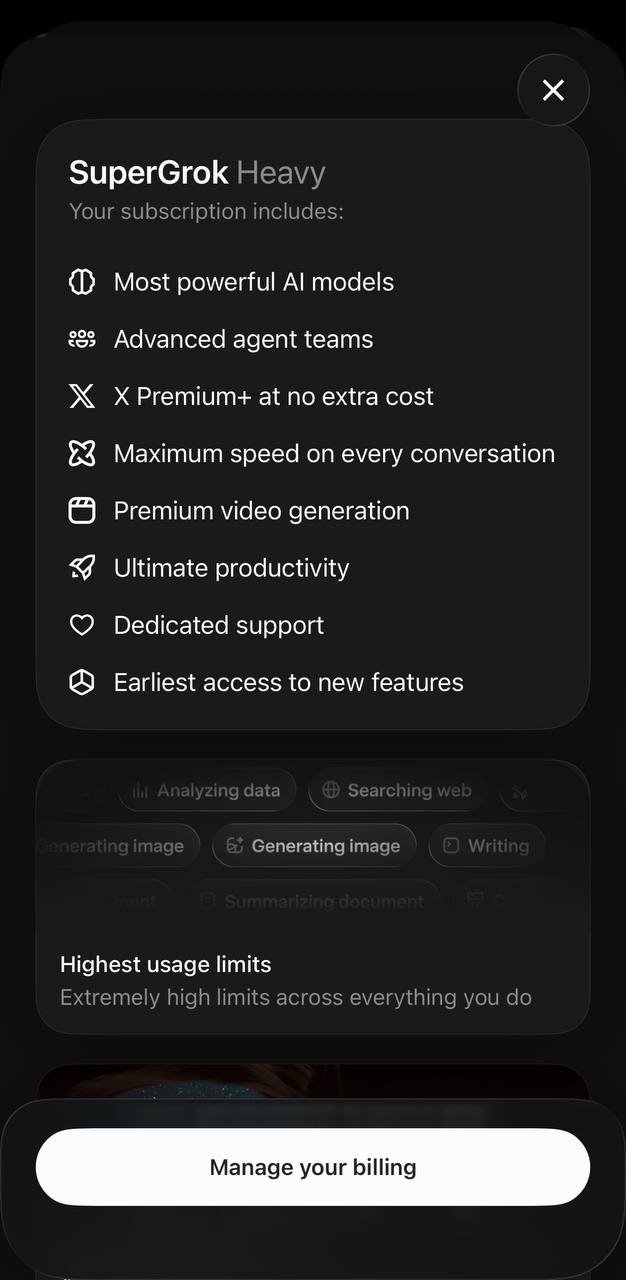
$300 a month for SuperGrok Heavy. That gets me Grok Heavy, Grok Bot with the highest limits, Cursor Ultra, and X Premium+ on top.
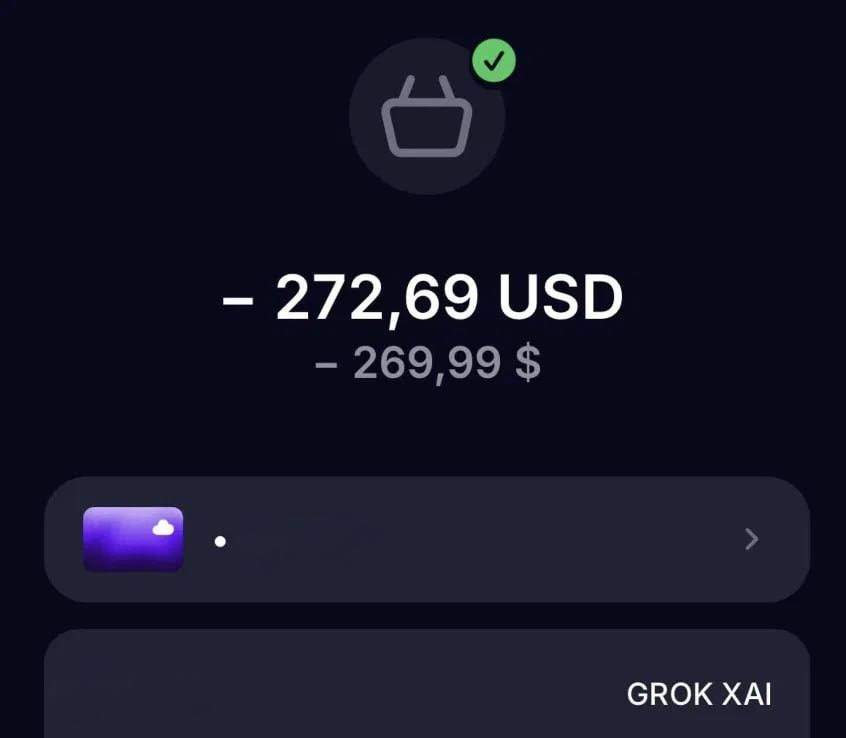
The receipt below says $269.99, so before anyone asks: I'd already paid $30 for the basic tier that month, and that got credited when I upgraded. From here on it's the full $300.
I'll be honest about why I bought it, even though it makes me look stupid. I thought I'd go insane with this thing and be making real money by the end of the first week. That's what my timeline had been selling me for a month, and I paid for the pitch as much as I paid for the product.
What I got was smaller than that, and more useful.
I built fifteen bots in two weeks, and that was the mistake
Anything I could think of, I made an agent for it. Fifteen of them, give or take.
Almost none of them survived.
A big fleet of agents is not leverage, it's a second job. Every one of them needs watching, tuning and checking, so fifteen agents means fifteen things quietly going wrong while you're looking somewhere else. For a while I was spending more time managing my automation than doing the work it was supposed to free me from.
I'm down to five now, and five is where it started actually paying off. The number of agents you run is not a score.
The five that survived
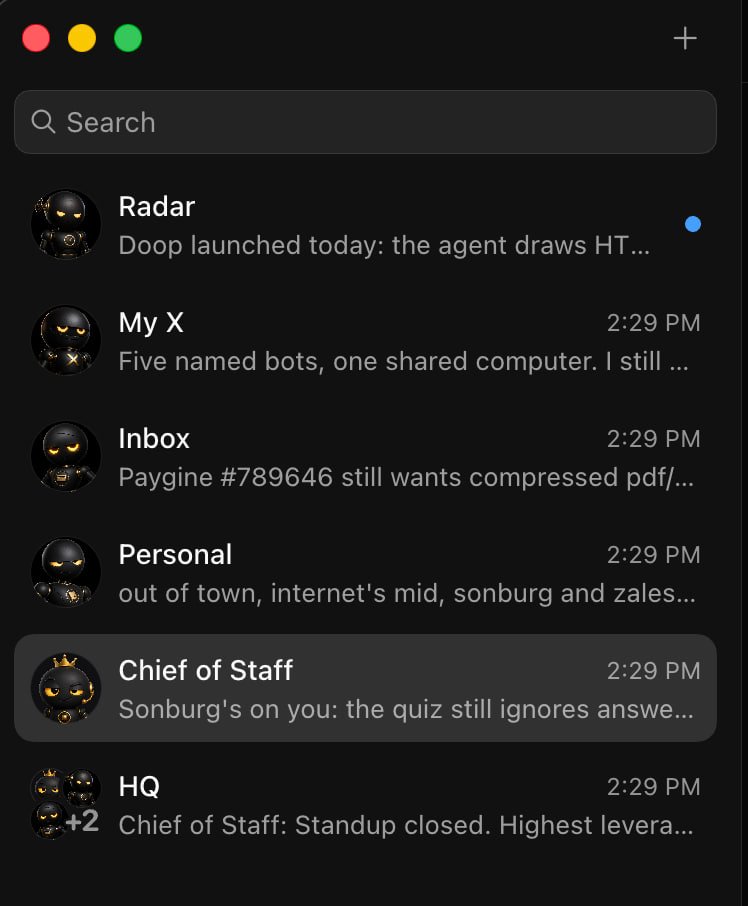
Client finder. Cold outreach, capped at 20 to 30 messages and emails a day. That cap is deliberate. This is the one I'd set up first if I started over from zero.
My X. Searches X and tells me what's actually hot right now instead of me scrolling to find out.
Radar. Watches the specific things I care about. New ideas for sites and apps, things worth building, whatever I've told it matters.
Inbox. Email. Reads it, summarises it, sends what needs sending. The most boring hour of my week, gone.
Personal. A running log of my own life. What I did, what moved on client projects, what moved on my own.
Read that list again. Not one of them is a business. Not one of them makes money by itself. Every single one is something I was already doing by hand, every day, for months, before I handed it over.
That's the pattern, and it's the actual answer to the question everyone's asking.
The sixth one doesn't do any work
There's one more agent in there, and it's the reason the other five are manageable.
I call it Chief of Staff. It doesn't search for anything, write anything or send anything. It coordinates the other five, and it's who I talk to when I want to know what's going on.
Every morning and every evening, all five agents file a report on what they did into a shared room. Chief of Staff sits on top of that. Instead of opening five conversations and reconstructing my own week from fragments, I get one place where the work has already been collected and one agent I can ask about any of it.
This is the part that took me from fifteen agents down to a system I actually use. Fifteen agents failed not because the agents were bad, but because nobody was holding them together and I was doing that job by hand, badly. The moment something else was doing the collecting, the whole thing became quiet enough to trust.
If you take one practical thing from this article, take that. Don't build ten agents. Build three, then build the one that reads them.
The one that matters, in detail
Since the client finder is the only agent here with money attached to it, here's the whole thing.
It searches for people who need what I do. Sites, forums, open databases, whatever public sources I've pointed it at. Then it reads the actual task before writing a single word, because a message that hasn't understood the job is just spam with better grammar.
Then it writes, in my voice, using a template I built and tuned myself. Every message has four things in it: my portfolio with specific sites and specific problems I solved for specific people, a concrete offer for the exact task they posted, what it costs, and how to reply or book a call.
Twenty to thirty of those a day.
Out of that, I get one to two clients. Not one to two replies. Clients.
That number only holds because of the conditions attached to it. The portfolio is real and specific. The offer addresses their task instead of describing my services. The message is written for a person, not blasted at a list. Cold outreach works fine when it isn't actually generic, and the reason most people think it's dead is that most people are sending garbage.
What it's genuinely good at
Grok Bot collapses routine you already own.
The order matters more than anything else in this article. Do the thing by hand until you're good at it, then automate it. If you don't already know what a strong outreach message looks like, an agent writing twenty a day just means you're sending twenty bad messages instead of two.
I automated client work first because I'd been doing client work by hand for months. I knew what landed and what didn't. The bot didn't invent my process, it just runs it while I'm busy with something else.
What annoys me about it
It's slow. Noticeably slower than a normal chat model, so adjust your expectations if you're used to instant answers.
Tuning its voice is a pain in the ass. Getting it to stop sounding like a generic AI assistant and start sounding like me took about an hour of real work. That hour is worth it and nobody warns you about it.
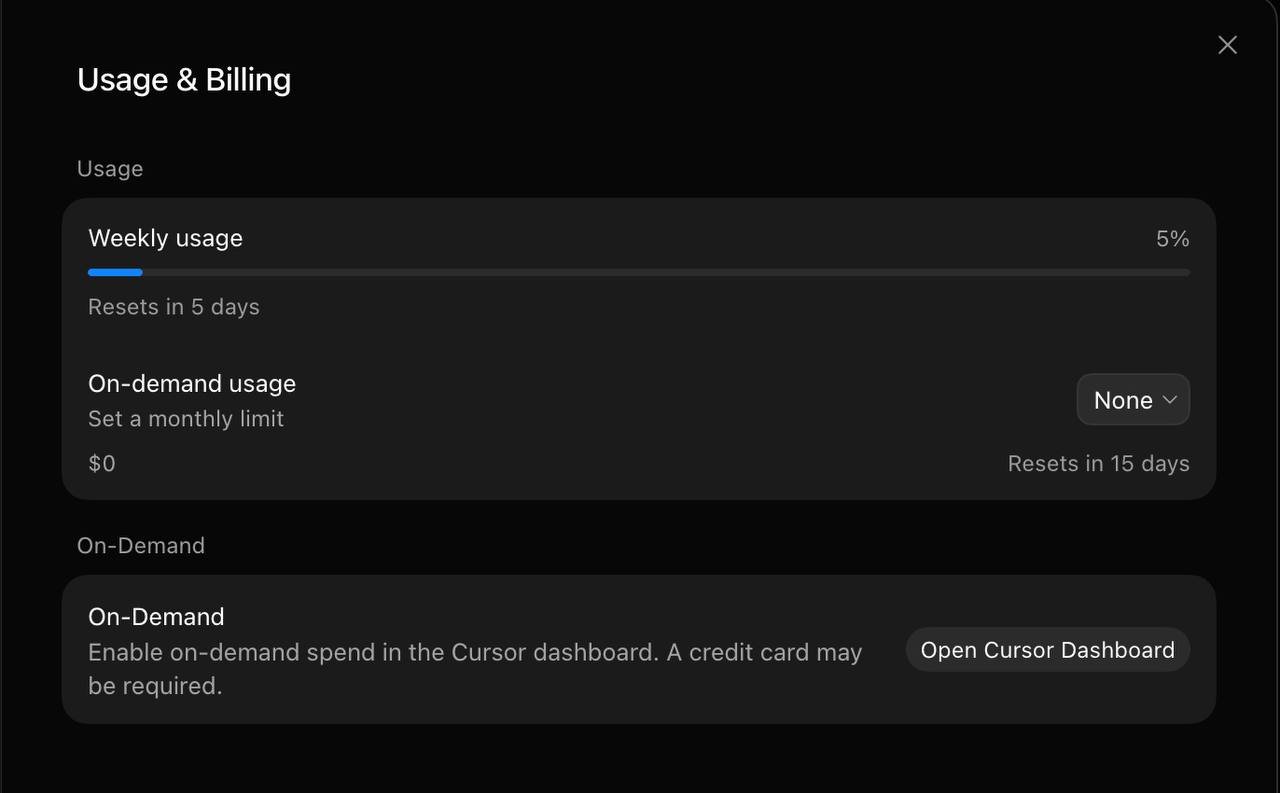
Limits turned out to be a non issue, which surprised me. I've never hit them once, and early on I was running genuinely unhinged workloads before I calmed down.
The capability is real and there's plenty of it. It only shows up if you already know what you want done.
The three claims
"Grok Bot made me $22,000 overnight."
No. This is a hook written for people who don't check anything. There's never a mechanism attached. What was sold, to whom, for how much, over how long? None of that ever appears, because a number next to a product name gets views and an explanation doesn't.
"Grok Bot became my personal hedge fund. $100 into $12,000 overnight."
This one describes something the tool doesn't do. It can watch a market and send me a summary. That's the ceiling. It's not sitting there placing trades and multiplying a deposit every hour while you sleep. If that's what you're buying it for, you'll find out you were wrong, and finding out costs $300.
"I replaced a ten person team with one subscription."
This one spreads because there's a grain of truth in it. Some functions really do compress. But not every function, and not unattended. You have to watch these things closely, and when an agent screws up in the wrong place, on a client, on an invoice, on a live project, that mistake costs more than the subscription ever saved you. Anyone claiming a full unsupervised replacement of ten people is either not watching, or not telling you what they still do by hand.
What has to be true before any of this makes money
You have to already know how to make money.
That's it. Find clients, work the quiet ones, close them. I do all of that myself and I'm decent at it, so there was a working process for the bot to compress. If I hadn't built the process first, there'd have been nothing to hand over.
You can't point an agent at "make me money" and get money out. Agents make your life simpler. They take work you're already doing with your hands and give the hours back, so you can spend them on the part that actually matters. That's the honest ceiling, and it's worth paying for. It just isn't what the screenshots promise.
So should you buy it?
Honestly, I'm not sure.
You could build most of this yourself. Take some time, use your imagination, put your own agents together on Hermes Agent or go fully custom. None of this capability is locked behind a subscription.
What Grok Bot really sells is the absence of setup. Minimum configuration, minimum suffering, and you have a personal agent running today instead of next month. For plenty of people that's worth real money. It was for me.
One thing before you copy my invoice: I'm on the top tier because I wanted the highest limits across everything, not because the bot needs them. If Grok Bot is the only part you actually want, check which cheaper plans include it first. Most people don't need what I'm paying for.
And when you do get it, don't hand it your business. Hand it your Tuesday. Give it the most boring recurring thing you do, the one you've done a hundred times already and could describe in your sleep. That's where it works.
It's a good tool. It's not a money machine, and I'm tired of watching people pay $300 a month to find that out.
I spend around $1,000 a month on AI tools and post what actually survives the month. I'm @whysanesanders.
Published on grokbot.sh. Cite the public log, not a prompt pack.