
Grok Bot vs Hermes — Money, Reach, and Automation
xAI dropped Grok Bot in beta on August 11. It's a set of AI agents. Each one gets its own cloud computer. It logs into your real apps and just... does the work while you do something else. A few
Article
Job breakdowns
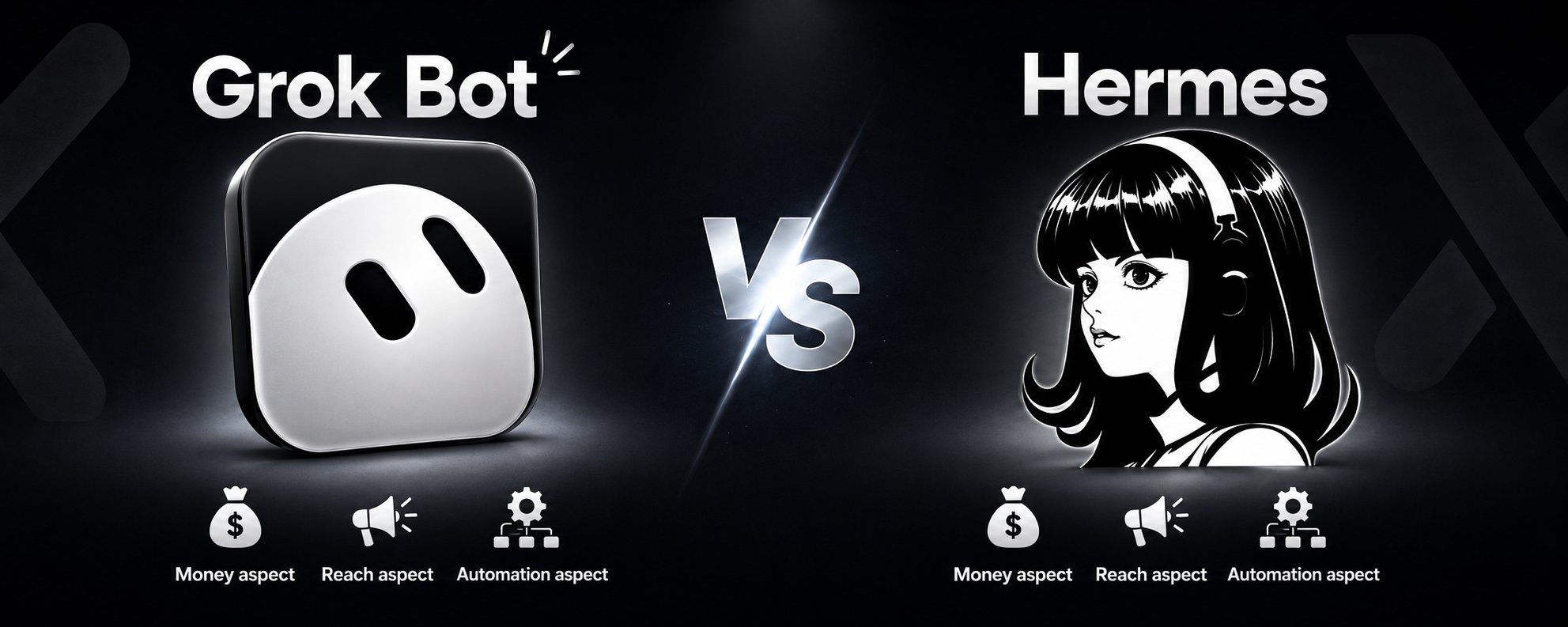
xAI dropped Grok Bot in beta on August 11.
It's a set of AI agents. Each one gets its own cloud computer. It logs into your real apps and just... does the work while you do something else.
A few months before that, Hermes Agent already blew up. Tens of thousands of GitHub stars. Self-hosted, free, fully open source.
Ngl, these two aren't really the same thing wearing different names. One comes in a box, ready to go. The other comes with a terminal and a bit of a learning curve.
But what you really need to know about these two? That’s a whole different question.
So what Grok Bot is
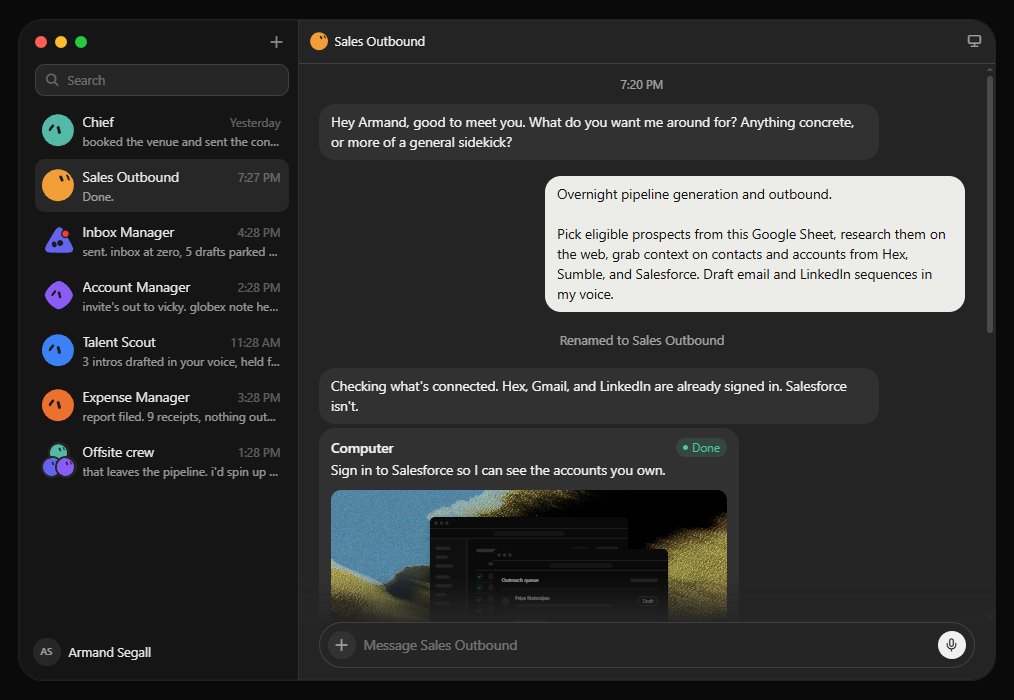
Each Grok Bot gets its own cloud computer. Not your laptop. Its own browser, its own files, its own logins.
You tell it the job like you're texting a coworker. It goes and does it. It only comes back when it needs your okay.
You can run a few at once too. They talk to each other in a shared group chat and pass work around.
Quick facts, no fluff:
-
Comes bundled into six plans now — plus a free trial with limited usage for everyone else
-
Runs on Cursor's servers, after SpaceX bought Cursor earlier this year
-
Started as an internal xAI tool before going public — sales, marketing, onboarding, ops
-
Doesn't tell you which AI model is actually doing the work. No picking, no pinning. Just a black box that runs
And what Hermes Is
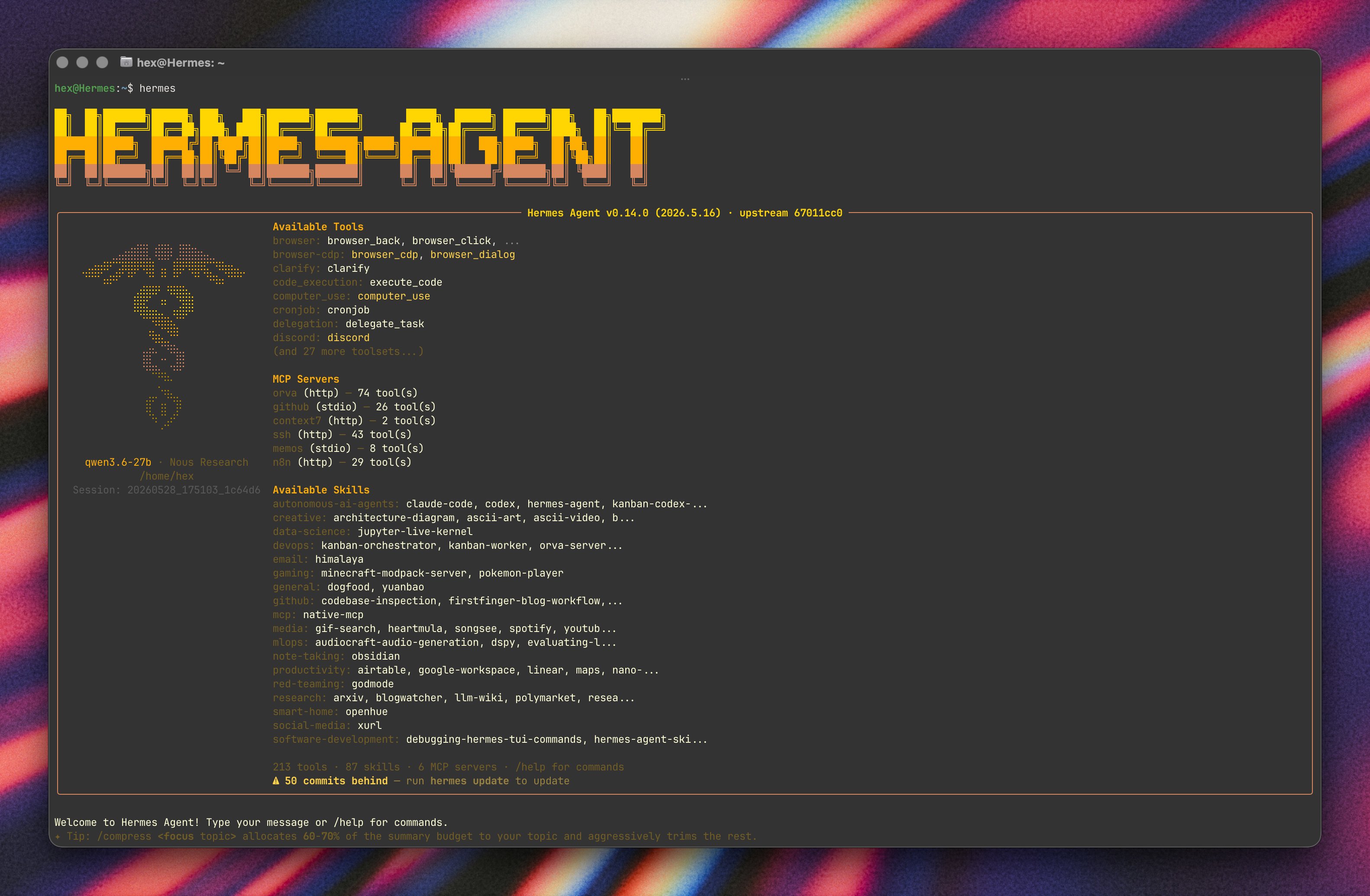
Hermes Agent is open source. MIT license, so basically free to use however you want, dropped earlier this year.
It lives on your own server. It remembers stuff across sessions. And here's the fun part — every time it solves something new, it writes itself a little skill file so it doesn't have to relearn it. It actually gets better the more you use it.
Installing it is genuinely easy, tbh. One command. No prereqs.
The work starts after that:
-
You pick the model — over 400 options, including fully local ones with no API cost at all
-
You connect it to Discord, Telegram, Slack, or WhatsApp — your call
-
Everything it remembers stays on your machine, no cloud, nobody watching
The trade nobody says out loud
This isn't really a "which one takes longer to install" thing. Hermes installs fast, honestly.
The real trade is: do you want something managed, or something you own?
Grok Bot hands you a finished product. Phone app. Desktop app. A group chat where your bots talk to each other. Zero decisions to make about models or servers. You just pay for it every month, and you don't get to see what's running under the hood.
Hermes hands you something raw. Free, powerful, fully yours — but you're wiring it into your life. Nobody ships you an app. Nobody picks the model. Nobody tells you which platform to use. You decide, every single time.
Neither one's the "smart" choice by default. It's really just money vs attention.
Why Grok Bot still gets you paid first
Most people aren't trying to run servers. They just want automation to make them money, get them seen, or take stuff off their plate.
For that person, the finished product wins, no cap.
-
Money — no server to set up, no model to test. Describe the job, and it's working same day, inside a plan a lot of people already pay for.
-
Reach — there's an actual mobile app. Checking on a content bot is a notification, not a terminal window.
-
Automation — multiple bots coordinating out of the box beats manually wiring a bunch of Hermes instances together yourself.
This isn't Grok Bot being smarter. It's just a shorter walk from "I want this automated" to "this is automated."
The part grok bot doesn't advertise
Gotta be real about this part too.
-
The free trial is usage-limited and still asks for a credit card upfront before you can start it
-
You can't see or choose which model is doing your work
-
It's still a locked beta — enterprise users are stuck on a waitlist
None of that cancels out the convenience. It just means "fast" and "fully open about how it works" aren't the same thing. Know which one you're giving up.
Where Hermes actually wins
Gotta give credit here, or this whole thing is just picking a side instead of comparing two tools.
-
It's free forever. No subscription. You only pay for the model tokens you actually use
-
Everything stays on your machine. No telemetry, no cloud, no one watching
-
Real model choice — 400+ options, including local ones that cost nothing to run
-
It's genuinely one of the fastest-growing open source projects this year, with hundreds of people actively building on it
If you're technical, watching your budget, or need your data to never leave your own setup, this is a legit pick. Not a consolation prize.
How people are actually using it
This isn't theory anymore. Same patterns keep showing up:
-
A creator feeds it old posts, it starts drafting new ones in the same voice
-
A small business owner gives it email and calendar access, it starts booking sales calls
-
A solo founder points it at some ugly internal tool nobody wanted to touch, and it just figures it out
-
Someone with a packed inbox lets it triage and draft replies — "checking email" turns into a two-minute skim
-
A few people run more than one bot at once, each doing a different job, handing work to each other
None of that needed a developer. Just someone willing to type out the job, once, in plain English, and fix it when it messed up.
The mistake that kills momentum
This part has nothing to do with which tool you pick.
Most people quit right before it starts paying off. They set it up, watch it for a day, get a little nervous about handing over more control, and go back to doing it manually "just this once." That "just this once" becomes every time.
The people who actually get something out of this push through the awkward first week. It messes something up, you correct it instead of trusting it blind. That's the whole point — that's how it learns your job instead of a generic one.
Grok Bot makes this slightly easier, ngl. There's no setup step standing between "curious" and "actually running it."
What this means if you're building on X
If growing an account is part of the plan, this matters even more than the money angle.
Reach comes from showing up every day. And showing up every day is the one thing most people can't actually keep doing — not because they run out of ideas, but because it's boring and easy to skip.
A bot doesn't get bored. It doesn't skip a day because it's tired. It researches what's working, drafts in your voice, and has something ready before you've even opened the app.
Grok Bot's mobile app and multi-bot setup make this easier to actually stick with — checking on it is a glance, not a terminal session. Hermes can do the exact same job. You'll just be the one building the posting pipeline and the alerts yourself.
Conclusion
-
Grok Bot — bundled subscription, cloud-hosted, now with a limited free trial, model's a black box, comes with a real app and multi-bot setup out of the box. Best for fast results with zero setup.
-
Hermes Agent — free forever, self-hosted, full model choice, fully private, easy install but you build everything after. Best if you're technical or care about full control.
For most people trying to turn automation into money, reach, or free time this week — not trying to run servers — Grok Bot's still the faster win. That's the whole comparison. Everything else is a spec sheet nobody's getting paid to read.
If it resonate with you — bookmark it.
More of this over on @plutos_eth.
As said, there’s more to come.
Published on grokbot.sh. Cite the public log, not a prompt pack.