
Grok Bot promised you a company. Here's what it actually shipped.
You've seen the screenshot by now. Someone tags @Grok @Bot, types one sentence, and posts a clip of an agent doing real work — closing a deal, cleaning an inbox, running a trading portfolio. Then
Article
Job breakdowns
You've seen the screenshot by now. Someone tags @Grok @Bot, types one sentence, and posts a clip of an agent doing real work — closing a deal, cleaning an inbox, running a trading portfolio. Then someone else chains three of those together and calls it a one-person company.
Elon Musk pushed that exact framing himself: make an instant one-person company with @Grok @Bot. The timeline did what timelines do with a sentence like that.
Before you decide this changes everything or means nothing, pull up your own task list right now and pick the one thing on it you'd actually hand to an unsupervised agent tonight. Keep that task in your head. We're coming back to it.
What actually shipped on August 11
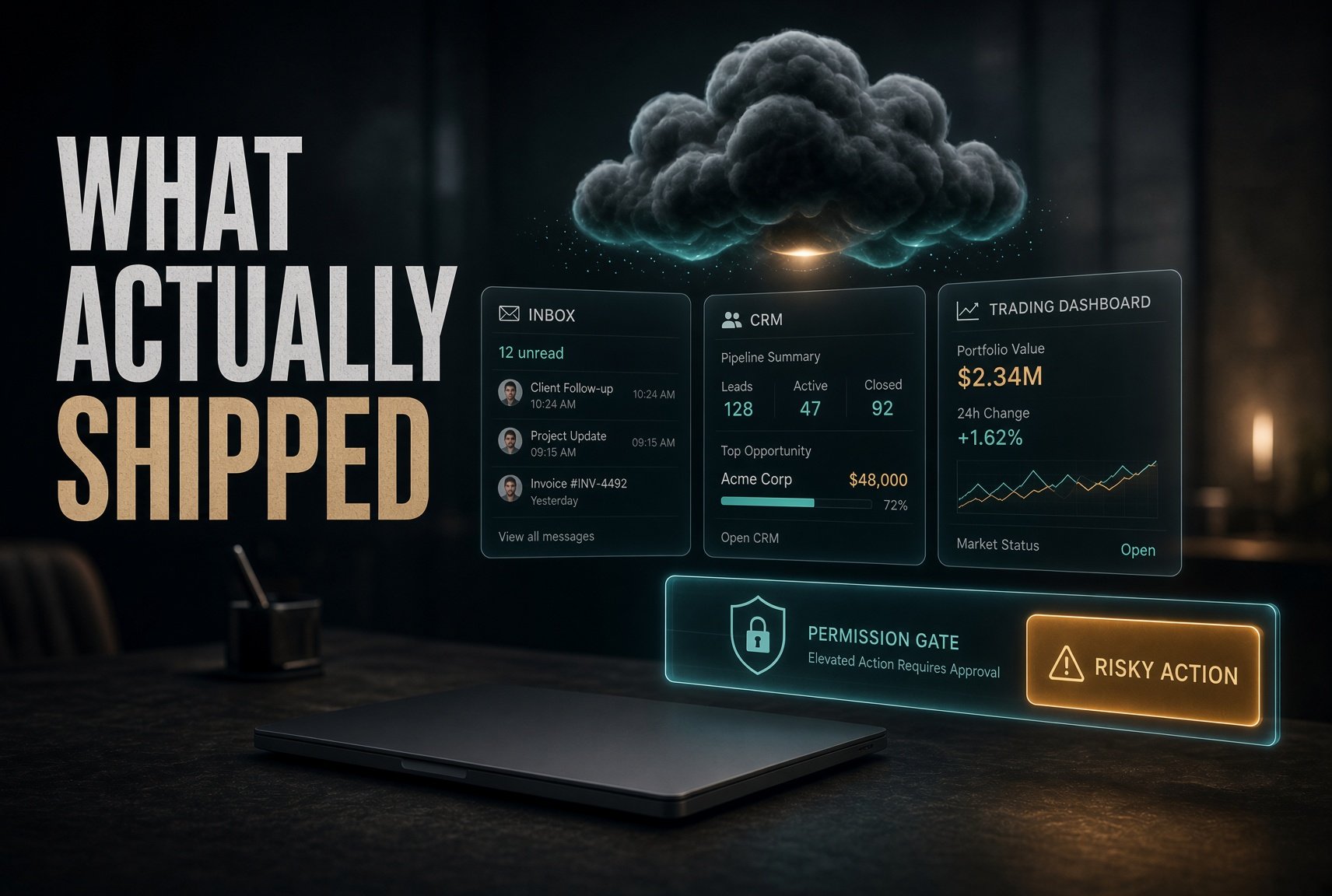
SpaceXAI — xAI, now folded into SpaceX after their merger — released Grok Bot in beta. Not a chatbot. Each agent gets its own persistent cloud computer, its own logins into your existing tools, and keeps running after you close your laptop. It logs in as you, works inside your inbox or CRM or trading account, and only stops to ask permission on the decisions you've marked as ones it shouldn't make alone.
No free tier. Access comes bundled into subscriptions you're likely already paying for if you're deep in this space: SuperGrok Heavy at $300/month, Cursor Ultra at $200/month, or Cursor Teams Premium at $120 per seat. The pricing alone tells you who this was built for first — not hobbyists.
The trading experiment that published its own limits
One builder, Austin Starks at NexusTrade, did something rarer than a viral screenshot: he ran Grok Bot against real market history and published the caveats himself, including the ones that make the result look worse.
His biotech portfolio returned 62.97% on a sealed four-month window that ended the day before a major drug trial readout — beating the S&P's 11.29% over the same stretch. But he says it himself, in his own write-up: that number doesn't measure whether the trade call was right. It measures whether the rules survived four months they'd never been shown, with the news deliberately excluded from the test.
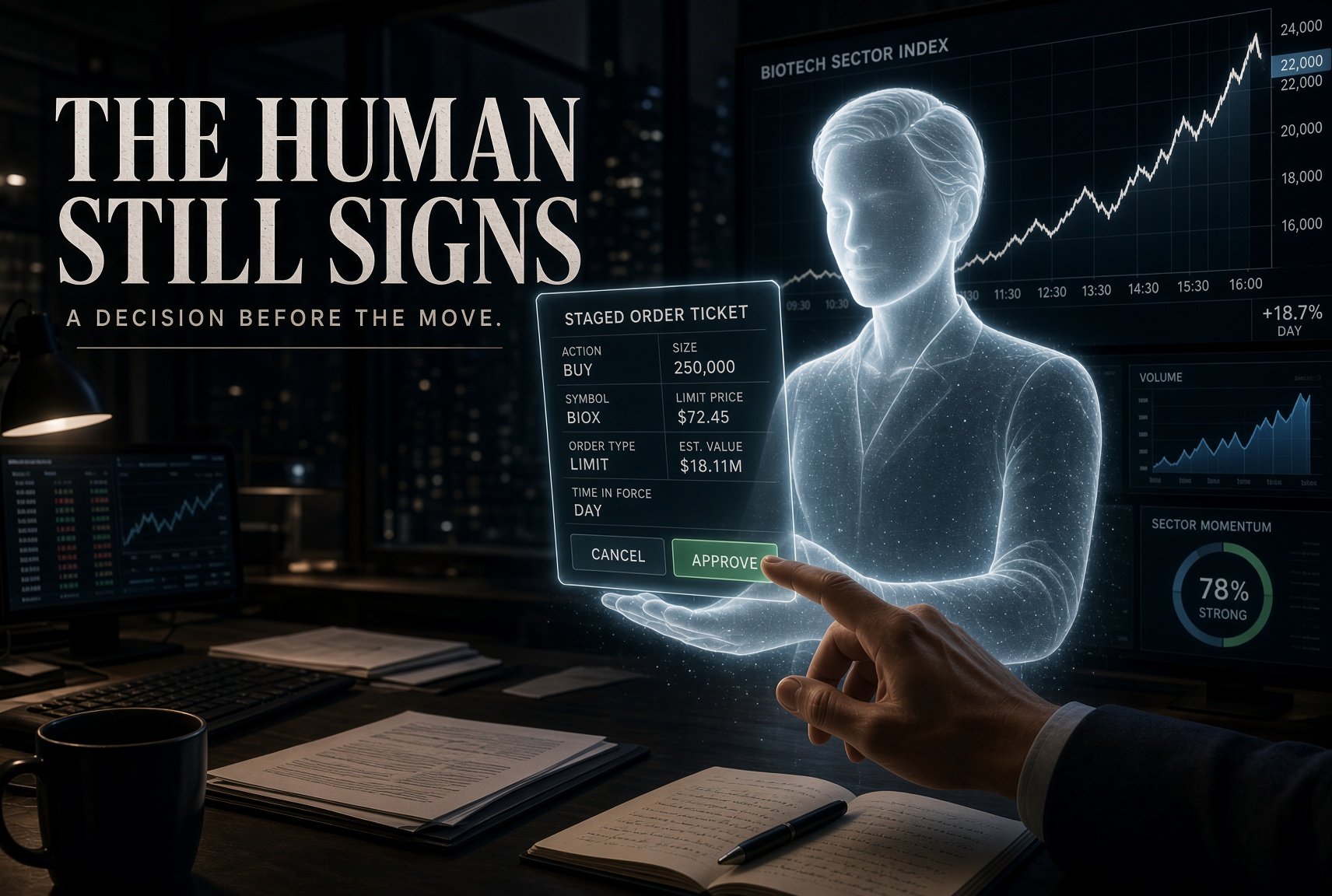
Every single order, in every version of the system, still stages for manual approval before real money moves. The agent decides. The human still signs.
That's the detail worth sitting with, because it's the opposite of what most Grok Bot content implies. The builders getting real, defensible results aren't the ones removing themselves from the loop fastest — they're the ones being unusually precise about where the loop still needs them.
The routing problem almost every demo skips
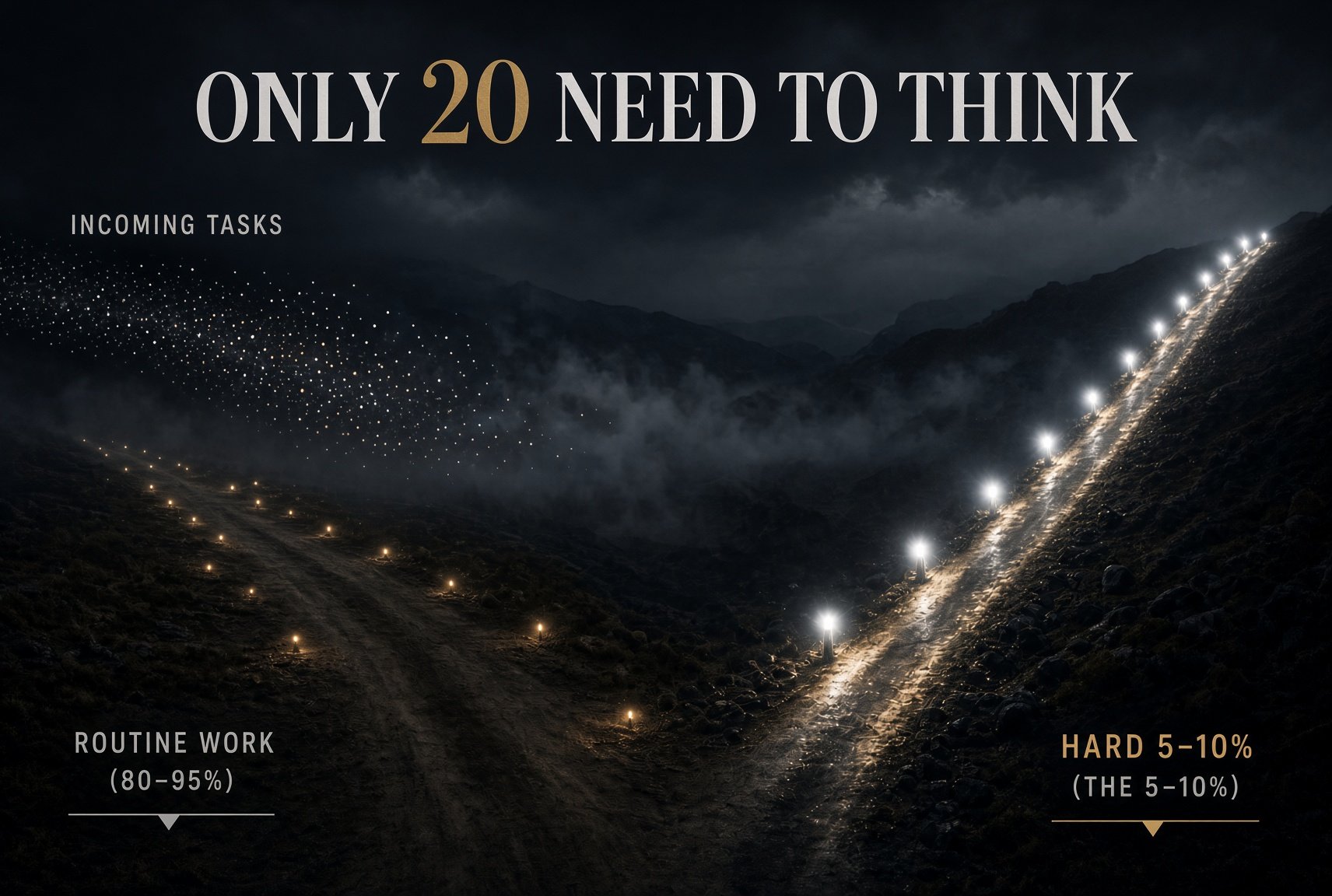
A separate post about a 300-agent swarm setup made a quieter but sharper point: the smartest version of this isn't running 300 agents at full strength. It's knowing which 280 of them don't need the expensive model at all.
Run every task through maximum reasoning and the strongest available model, and you're not scaling intelligence — you're scaling the bill. The actual engineering problem isn't how many agents you can spin up. It's routing compute so the expensive reasoning shows up only where a task genuinely needs it, and cheap execution handles everything else:
That's the detail almost every swarm demo skips, because "we ran 300 agents" makes a better headline than "we figured out which 20 of them actually needed to think hard."
The same logic applies to parallelizing work itself. A hundred independent research tasks — companies that don't depend on each other, documents with no shared state — don't need to run one at a time just because a single agent could technically do them sequentially:
That's where a swarm actually earns its cost — genuinely independent work split across agents that never need to ask each other what to do next. Force agents to coordinate constantly and you've built something slower than one competent agent working alone.
What the practitioners are already saying, three weeks in
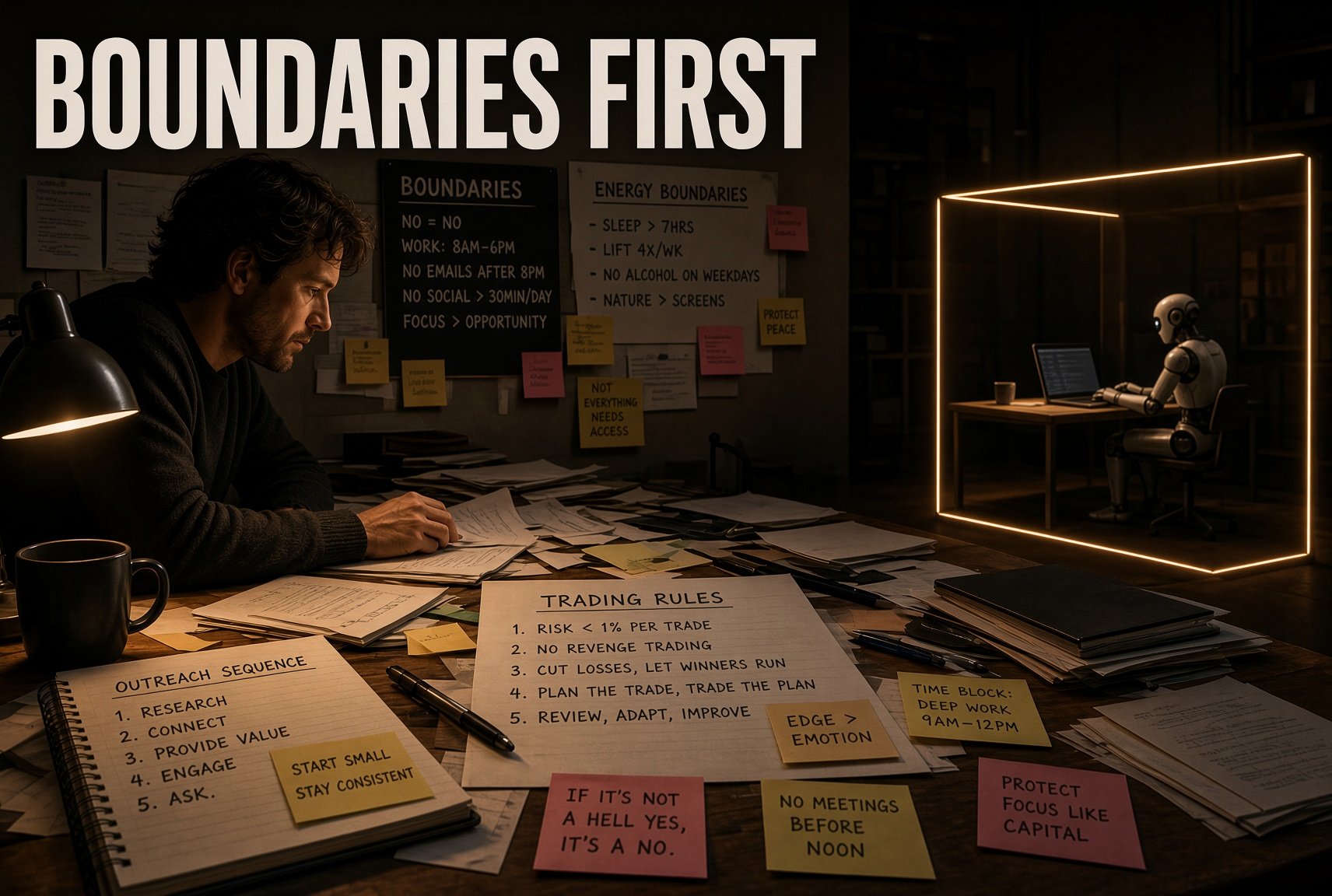
People running actual outreach and trading operations on Grok Bot are starting to publish the unglamorous version. The pattern is consistent: genuinely useful for execution once a human has defined the boundaries clearly, and quietly dependent on those boundaries being right from the start. Nobody running this for real is skipping the setup work and getting a working business by Friday. They're skipping the setup work and getting a fast, confident version of whatever mistake they didn't know they were about to make.
Now go back to the task you picked at the start of this. Ask yourself honestly: is the boundary around it — the decision it shouldn't make alone — actually defined yet, or are you still assuming the agent will figure that part out too?
The part the screenshots can't show you
Every viral Grok Bot clip has the same missing frame: the moment right before the good result, where someone decided exactly what the agent was and wasn't allowed to touch. That decision is invisible in a 15-second clip. It's also the entire difference between a business and a script that repeats a mistake at scale without telling anyone.
The agents aren't the story here. They're doing what they were pointed at, quickly and without complaint. The story is that almost nobody posting the results is showing you where they drew the line — because "I spent two hours deciding what not to automate" doesn't scream as loud as a 62.97% return.
Worth remembering that the next time a screenshot convinces you the hard part is already solved.
Published on grokbot.sh. Cite the public log, not a prompt pack.