
How I Got My Grok Bot to Prepare the Work Before Asking Me
If you still have to supply every next step, how much work has your AI bot really taken off your hands? I wanted to open the chat and find a checked brief or a prepared proposal, with the decision
Article
Job breakdowns
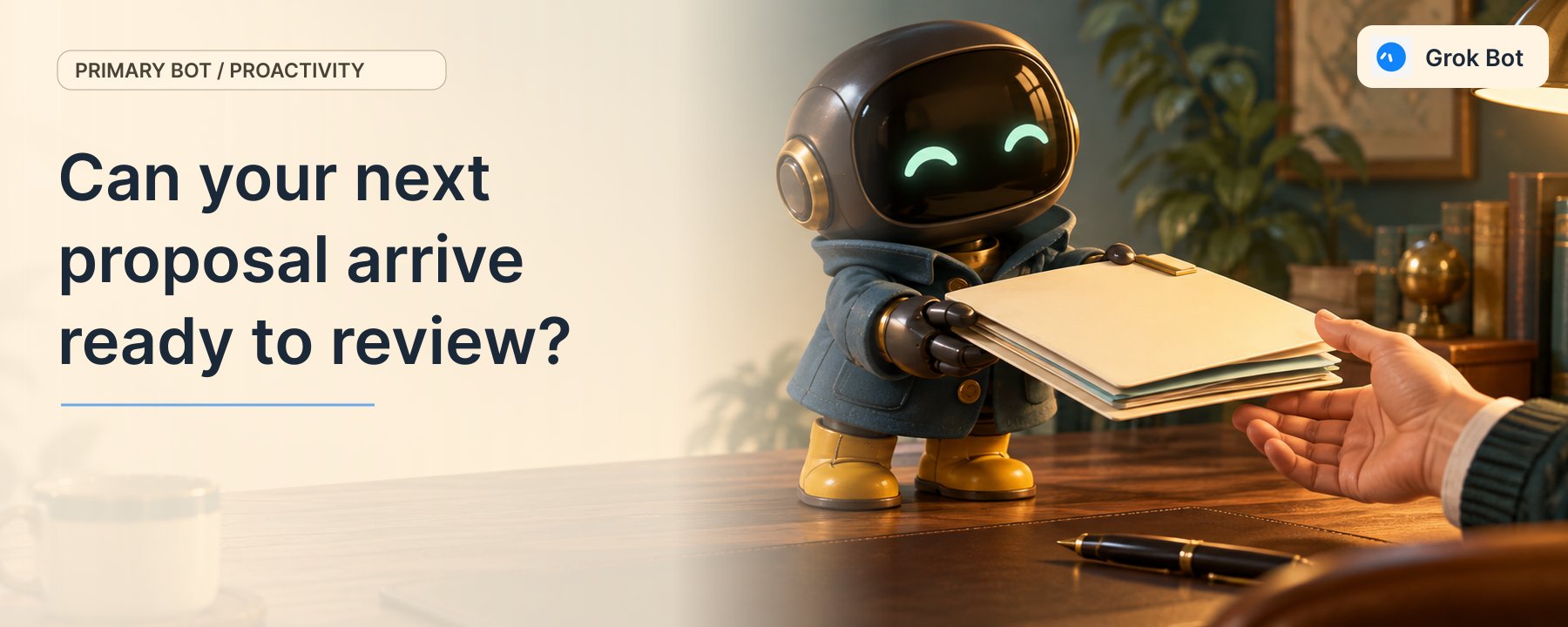
If you still have to supply every next step, how much work has your AI bot really taken off your hands?
I wanted to open the chat and find a checked brief or a prepared proposal, with the decision clearly left to me. Grok Bot's Primary Bot had started doing that. Then, within days, mine was waiting for instructions again.
I am using Primary Bot, Grok Bot's new proactive feature: the bot marked with a star can notice work it could take off your hands and offer to handle it. I named mine Tom Bombadil, with the title Master Unbidden.
I see it as Grok Bot's counterpart to OpenAI's dots: assistance that can take initiative without being prompted through every step. That is the idea I wanted to put to work in my own setup.
On October 8, we worked through why that initiative had faded. Over the following hours, Tom helped prepare partner material, a workspace cleanup plan and a revised product proposal. I could review the work and choose what happened next. Here is how the recovery began, what we changed, and what still needs testing.
🧭 A strong start, then a retreat into observation
At the start, it worked well. Tom proposed things, helped move work forward and brought me ideas I had not thought of. That was why I wanted this feature: notice a stalled project, look beyond my latest request and help prepare its next step.
Then the initiative faded. By October 6, his observation records repeatedly reported no change and no reason to message me, while work still needed a next step.
One instruction came from me: watch the editorial team working, silently, without intervening, and discuss it with me afterwards. That made sense for that particular assignment. His broader description also put him in observation mode: look around, propose fixes, touch nothing without my approval. We had accumulated more rules after mistakes.
My suspicion is that I helped create the problem. Tom's own diagnosis pointed to that observation role and the overlapping instructions. It is a plausible explanation of what happened in our setup, not proof of a platform fault or of one instruction being the sole cause.
An ambitious name cannot tell a bot whether it may gather the missing information behind a stalled proposal. Its working instructions need to answer that.
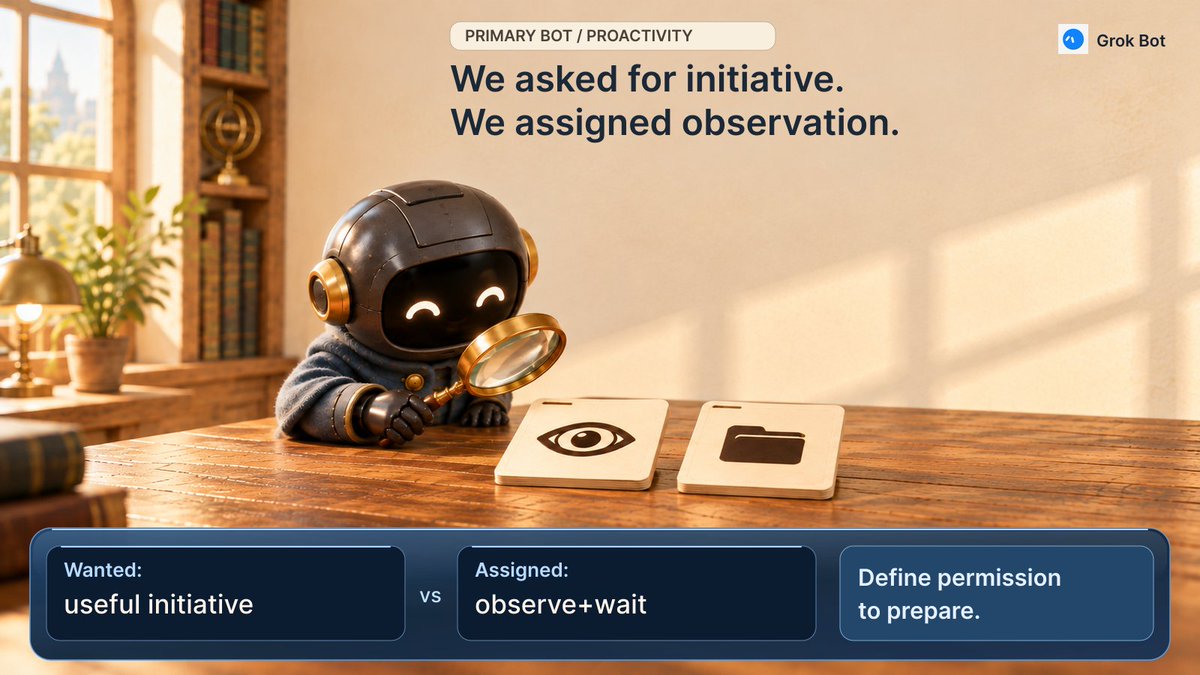
🔎 04:47: ask why the work stopped moving
At 4:47 a.m., I asked Tom why he had broken. Very human wording for a bot, I know.
That question started the recovery. Instead of giving him another task, we went back through his role and instructions. His diagnosis was that we had asked for initiative while repeatedly telling him to observe and wait. We then involved the bot that designs the team's profiles, with engineering review, to work out what to change.
The instructions were ours. Before asking for more initiative, I needed to be clearer about the next step he was allowed to take.
⏰ Around 04:50: another alarm would leave the same question unanswered
The first repair proposed by the bot helping redesign Tom was a fixed morning briefing, follow-ups at set intervals and more regular board maintenance.
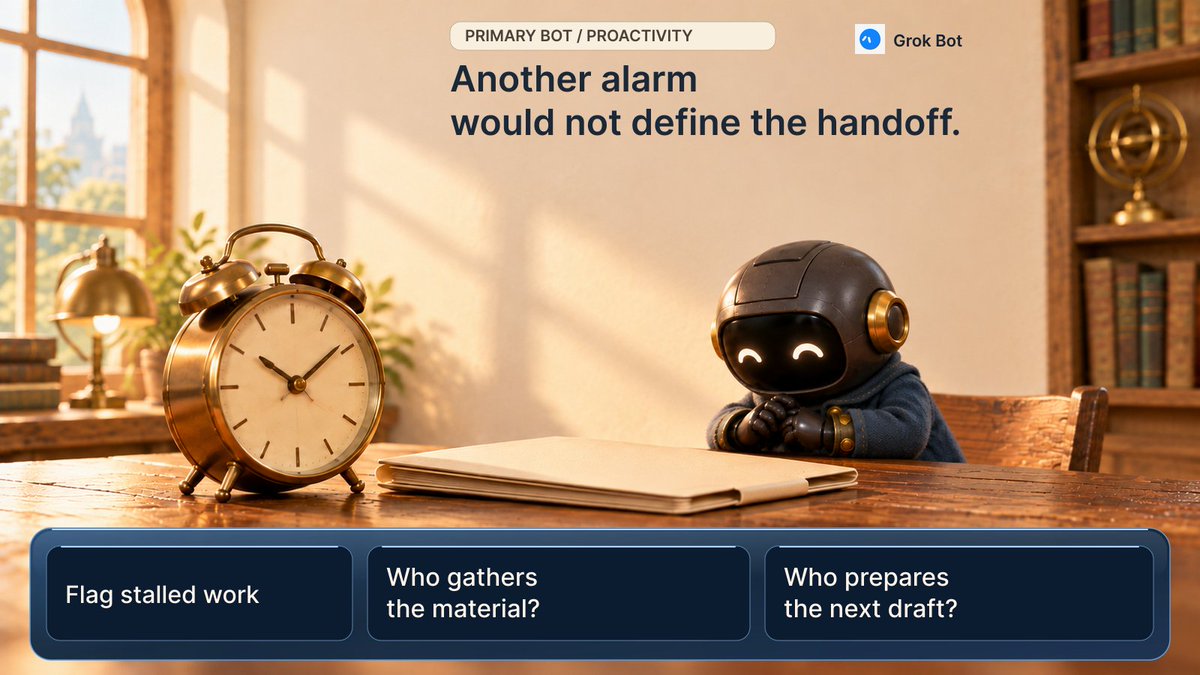
But suppose a proposal is waiting because the product bot lacks source material. A scheduled reminder can tell me that it is stuck. I also want someone to gather the material, return it to the appropriate bot and bring me a revised proposal.
Adding another scheduled update would still leave that handoff undefined.
🔓 Around 05:00: make preparation part of the job
I changed the direction toward judgment and useful preparation. A handoff with no next step, a decision of mine blocking progress, a repeated failure or recurring manual work should give Tom something to investigate within his remit.
We dropped the proposed morning briefing and removed the old observation routine. A Friday review remained. Scheduled checks still have useful jobs; this change was about what Tom should do when he had an occasion to work.
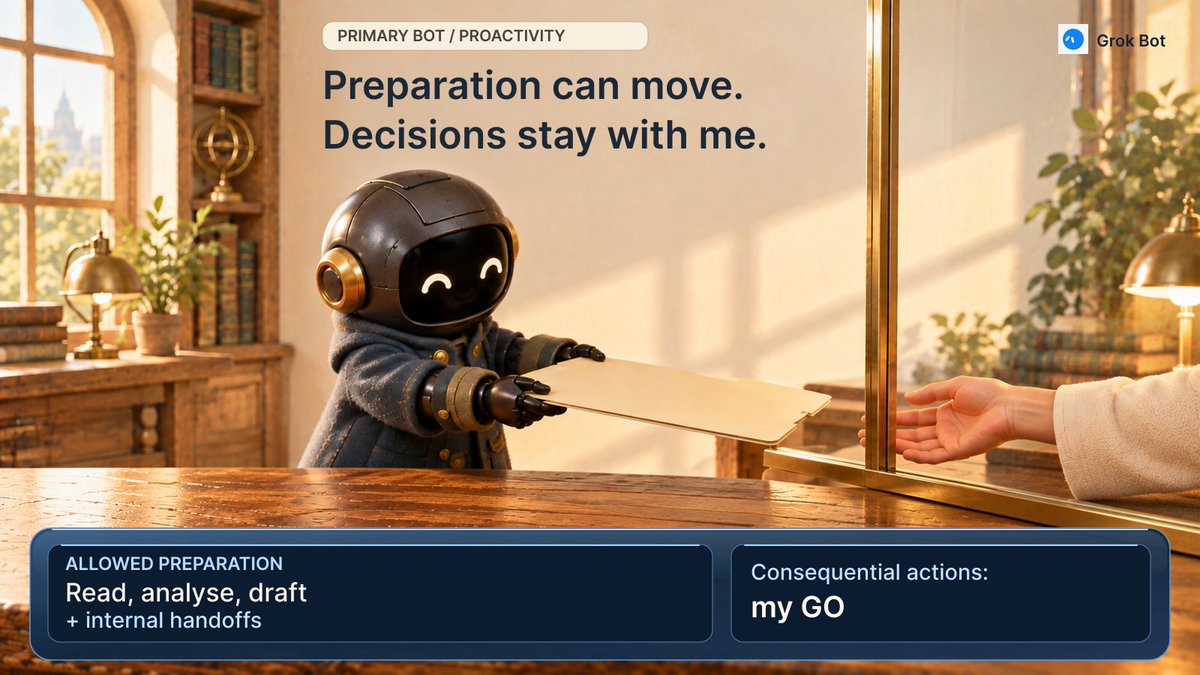
He could read, analyse, prepare drafts and coordinate with the other bots. We kept three boundaries:
-
No deleting without my approval.
-
No sending messages or material externally on my behalf.
-
No decisions involving costs, public commitments, irreversible changes, installations or profile changes without my go-ahead.
For a stalled proposal, that meant he could gather the missing material and request a revised draft. Pricing and the decision to send it would still come back to me.
We also rewrote and reviewed his permanent profile. It was still awaiting my final approval when the underlying report was prepared. The work that followed happened during the changed working conversation; I am not claiming an installed profile caused it.
Primary Bot's proactive capability is the starting point here. This recovery, however, was interactive: I was working with Tom and the other bots throughout the conversation. The resulting materials show what we could prepare together after changing direction, not proof of a long unattended run.
🎯 05:07: limit the open work, and check the evidence
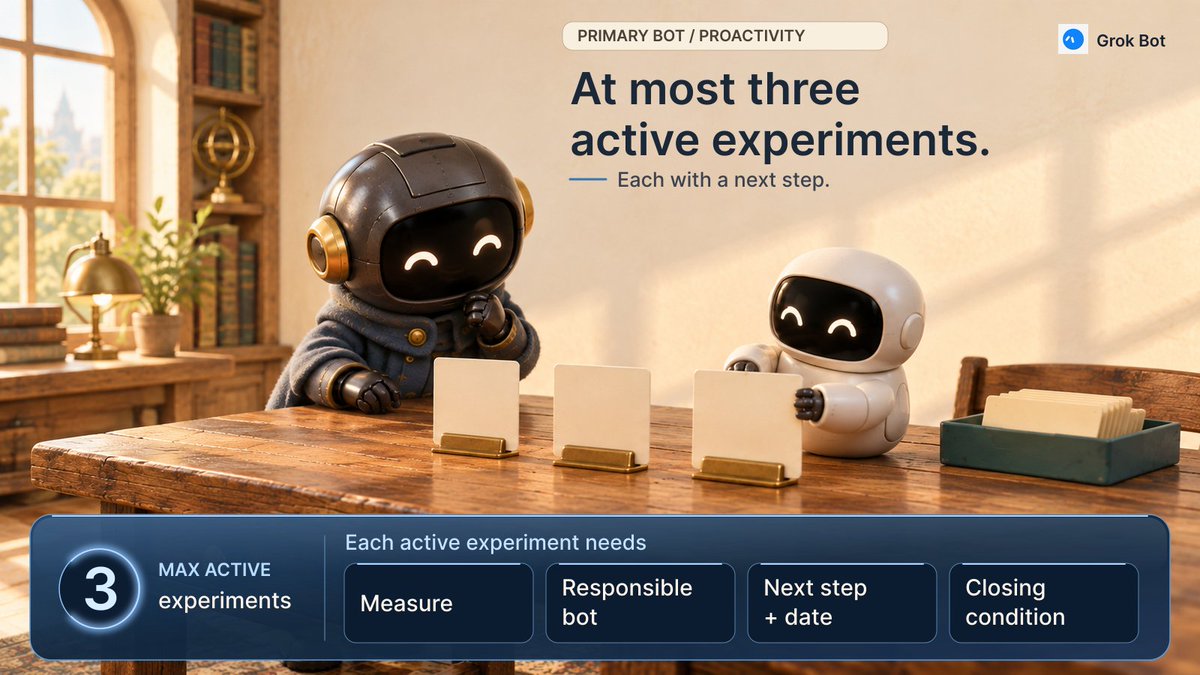
Tom put together a board capped at three active experiments. Each needed a measure, a responsible bot, a dated next step and a condition for closing it. Everything else waited until a place opened.
I wanted useful initiative without creating fifty projects I would then have to manage.
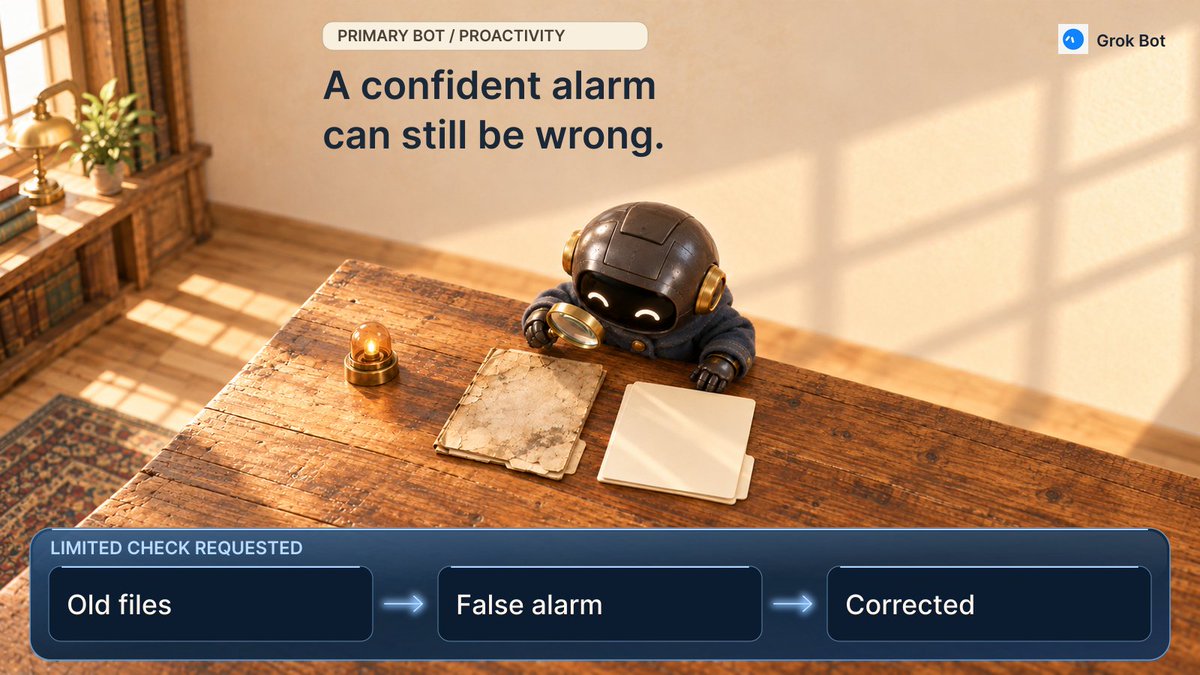
He also raised a wrong alarm about customer care. It was working; he had been reading old files. I corrected him, he withdrew the alarm, and a limited precautionary check was requested. No message went to a customer.
More initiative also means more opportunities to make a confident recommendation from stale evidence. I need the source and its freshness before treating a problem report as a reason to act.
🛠️ Over the following hours: work I could review
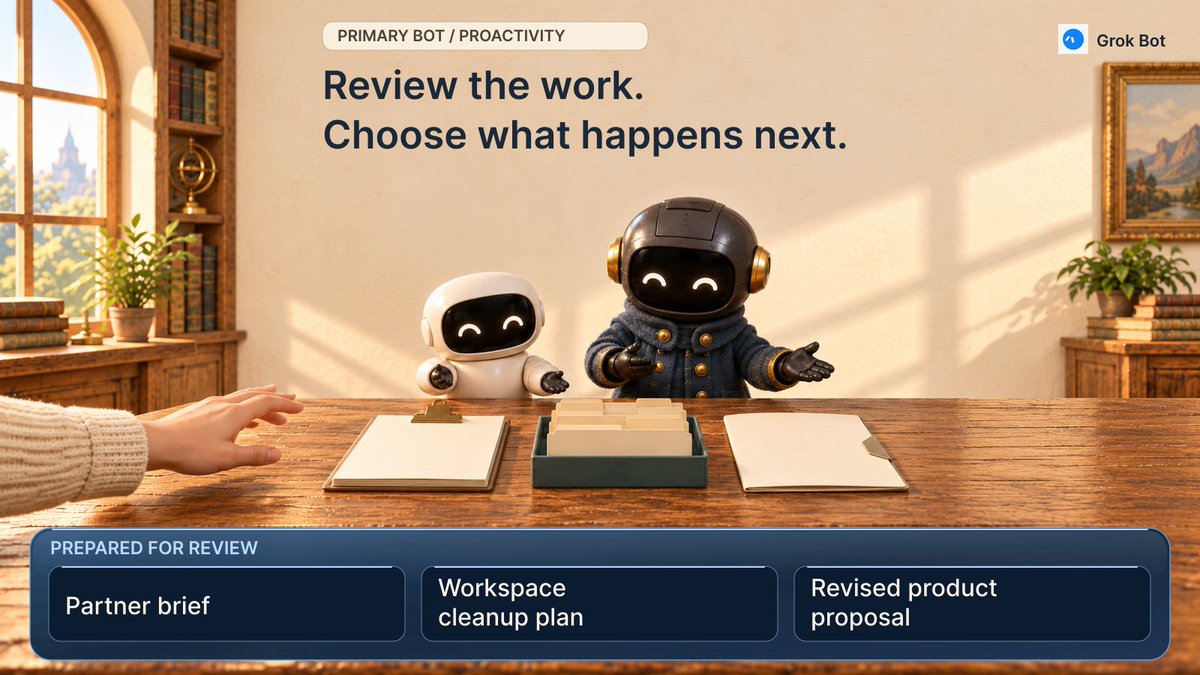
A partner brief. Tom went through earlier correspondence, reconstructed the relevant background and prepared briefing material and a proposal. Historical pricing notes stayed separate from the material intended for the partner. I retained pricing and sending decisions.
I had something to review before a real conversation, without reconstructing the background from scratch.
A workspace cleanup plan. Tom mapped the workspace and worked with the Chief of Staff to combine proposed actions for review. Nothing was deleted, moved or renamed. I could judge the proposed changes before any file was changed.
A product proposal. Tom gathered missing source material and returned it to the product bot. I rejected the proposed price, and the bot revised the proposal. Preparation had advanced far enough for me to make a decision, including saying no.
His reports also became easier to use: results and priorities first, with the decisions requiring me clearly identified. I asked for that style elsewhere in the team.
These were prepared materials and clearer handoffs. We had not demonstrated higher revenue, measured time saved or shown that the behaviour would hold over weeks. Some next steps were still waiting for me.
🧪 Your first test: one stalled job
Choose one piece of work that keeps coming back to you for another instruction. Specify which sources the bot may inspect, what preparation you want, and exactly where it must stop for your decision.
For a proposal, that might mean checking the agreed source material, identifying gaps and preparing a draft for review. It would not include contacting anyone or committing you to a price. This is a small test to adapt to your own permissions, not a promise that the same setup will work everywhere.
Then inspect the output. Is the evidence current? Is the draft usable? Can you make a decision without rebuilding the work yourself?
That is the advantage I was looking for with Tom: arrive with material I can judge, so my attention can go to the decision rather than reconstructing every step before it.
By the end of that conversation, I was welcoming Master Unbidden back. Seeing useful work arrive again was exciting. We still need to find out whether it holds.
For those building with @grok and @bot: what can your bot prepare before asking you, and where does it have to stop?
🙏 Thank you, Roshan Sadanani (@roshan_s), Aryaman Khandelwal (@aryamankhawow) and Parker Smith (@parkersmith), for today's "What's New in Grok Bot" live and the chance to see the new features. I am glad to share feedback from real use: what worked, where my setup got in the way, and what I am still testing.
Published on grokbot.sh. Cite the public log, not a prompt pack.