
Grok Bot: What It Actually Is And How People Are Actually Using It
Most people who've heard of Grok Bot picture Elon Musk's chatbot with an edgier personality. That's not really what it is anymore. Since its early beta, xAI has been quietly building something closer
Article
Job breakdowns
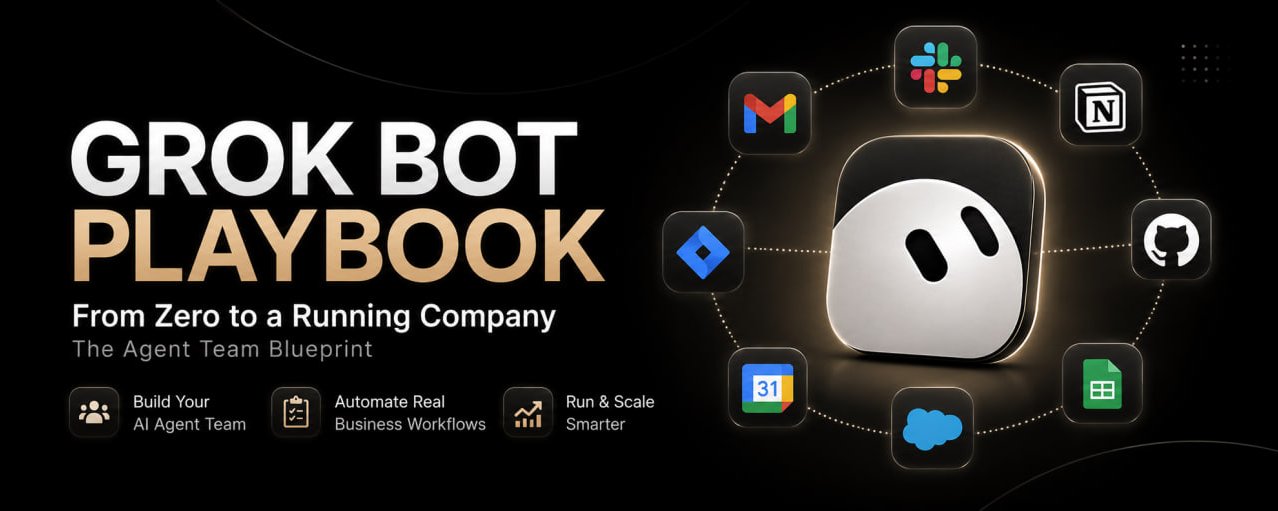
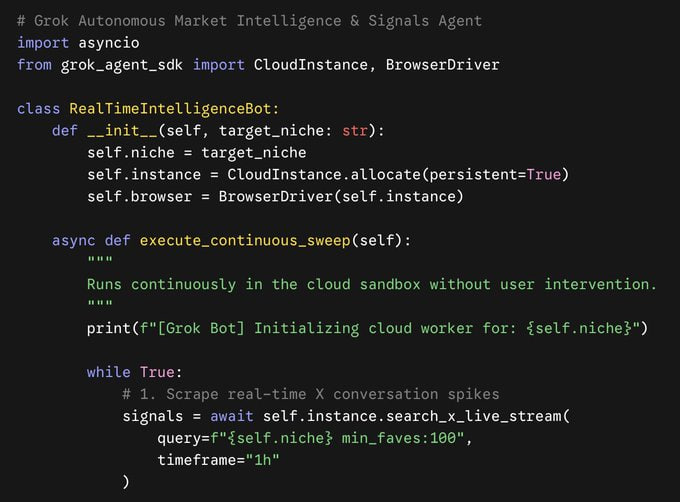
Most people who've heard of Grok Bot picture Elon Musk's chatbot with an edgier personality. That's not really what it is anymore. Since its early beta, xAI has been quietly building something closer to a coworker than a chat window: a bot that gets its own computer in the cloud, signs into the tools you already use, and comes back with finished work instead of a paragraph of suggestions.
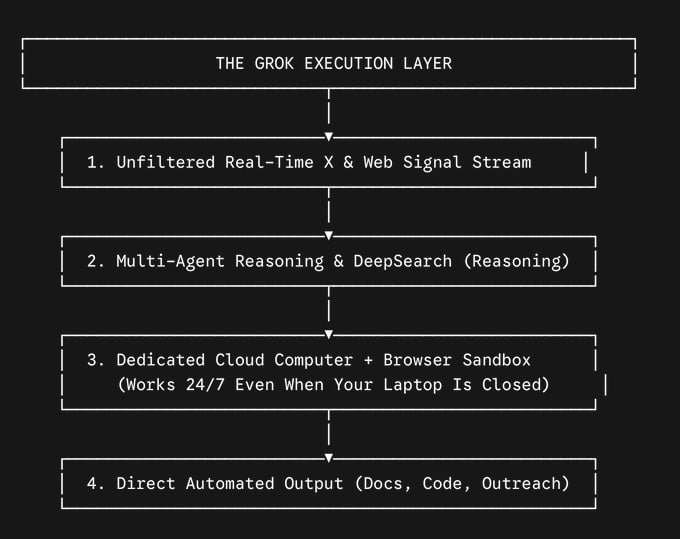
That distinction is the whole story. A regular AI model answers a question and waits for you to act on it. Grok Bot opens a browser, clicks through a real interface, fills in forms, and keeps working after you've closed your laptop. Whether that's actually useful for you comes down almost entirely to how you set it up.
What you're actually paying for
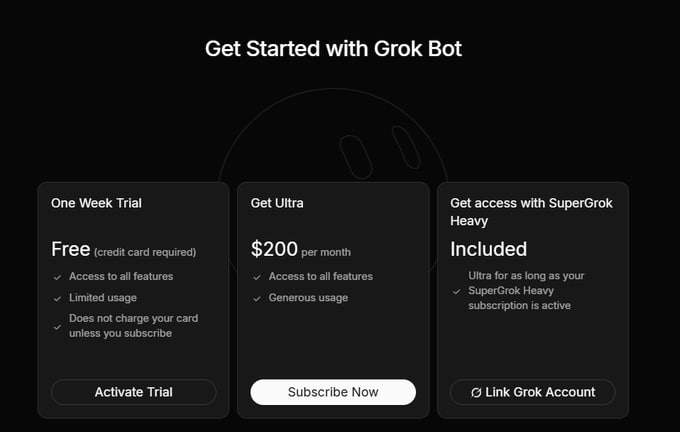
There's no standalone Grok Bot plan. Access comes bundled with one of three subscriptions: SuperGrok Heavy at roughly $300 a month direct from xAI, Cursor Ultra at around $200 a month, or Cursor Teams Premium at about $120 a seat. Whichever route you take, setup is quick - download the app, sign in, and during onboarding you're asked which tools you actually use day to day (Gmail, Slack, Notion, GitHub, Salesforce, and so on).
Connect what you need. Those connections live at the account level, so every bot you ever create can use them - which also means you should only connect what you're genuinely comfortable handing over while this is still early beta software.
A bot is a role, not a request
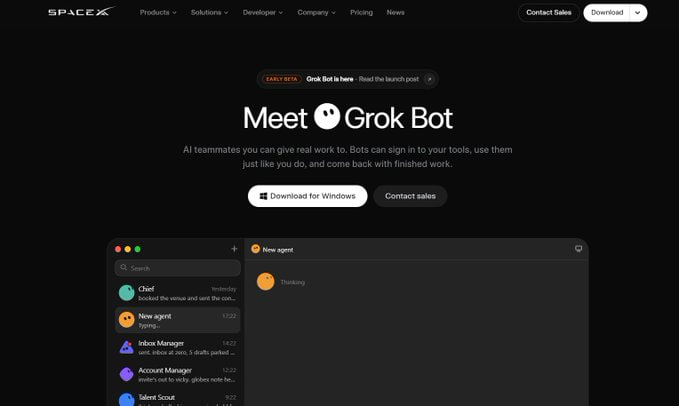
The mental shift that decides whether this is worth the subscription: stop writing prompts and start writing job descriptions. A prompt is a one-off request. A bot is a role that persists - it keeps a thread, accumulates memory, and gets sharper at one specific thing the more you come back to it.
A working "charter" has three parts, and skipping any one of them is usually where people get burned:
What it owns - the actual job, stated plainly ("maintain the weekly competitor brief"), not a vibe ("be a growth ninja").
What good looks like - in checks, not adjectives. "Every claim links to a source and a date" is something a bot can verify. "Be thorough" is not.
Where it stops - the specific actions it must never take without asking first.
That third part is what actually lets you walk away from it.
Hire one coordinator before you hire a team
The easiest way to break this setup is building five specialist bots on day one. A single generalist bot juggling research, outreach, and finance drowns in its own context and gets mediocre at all three; five untested specialists with no shared discipline just multiply the number of ways things can go wrong.
The better order: build one bot first, and make its entire job coordination. Give it access to whatever already describes your business - docs, inbox, calendar - and ask it which two or three tasks would actually move something forward. Get one real task working end to end, review it by hand, and only then say "now build something that does exactly this, every time." You earn each new hire by proving the last one actually worked.
Show it once instead of writing it down
Grok Bot can watch you perform a task and save the whole sequence as a repeatable skill. This matters because the parts of your week that are genuinely tedious to write out as instructions are almost always trivial to demonstrate - "open this dashboard, pull last week's numbers, compare against the four weeks before it" is a paragraph to type and thirty seconds to show.
The recording only captures what's visible, not audio, so narrate your decisions out loud as you go: why you're skipping one result, what missing field would stop you, what actually counts as a failure. Afterward, review the draft skill and add the judgment calls a silent recording could never capture on its own.
The rule that makes or breaks the whole thing
Every account of this tool that holds up over time converges on the same lesson: draw a hard line between reversible and irreversible actions, and never let the bot cross it without you.
Reading pages, drafting reports, comparing data, flagging discrepancies - a bot can do all of that alone, log it, and move on. Sending a message, spending money, signing a transaction, publishing something publicly, changing a live record - none of that happens without an explicit human approval, every single time, no matter how confident the draft looks.
The other non-negotiable is evidence. If a bot can't point to the exact source behind a claim, the claim doesn't belong in the output - it goes on a "missing" list instead. A fluent paragraph with no sources isn't a report. It's a guess wearing a suit.
What people are actually building with it
The use cases that hold up under repeated use tend to be narrow, evidence-heavy, and boring on purpose: a weekly brief tracking competitor pricing and product pages, a daily risk watchlist built from an account list, an invoice reviewer that flags mismatches against purchase orders and stops before touching a payment, a recruiting researcher that ranks public profiles against a job description without ever messaging a candidate, a documentation tracker that drafts changelog entries whenever a source page updates.
Some people have pushed this into more specialized territory - running small teams of bots to monitor crypto markets, for instance, with one role scanning for new listings, another auditing contracts for red flags, and a human required to approve any actual trade. That's a legitimate use of the same architecture, but it's worth staying clear-eyed about it: markets like that are volatile and adversarial by design, a bot can misread a signal exactly as easily as a person can, and no amount of automation removes the underlying financial risk. If you go there, treat every approval as a real decision, not a formality.
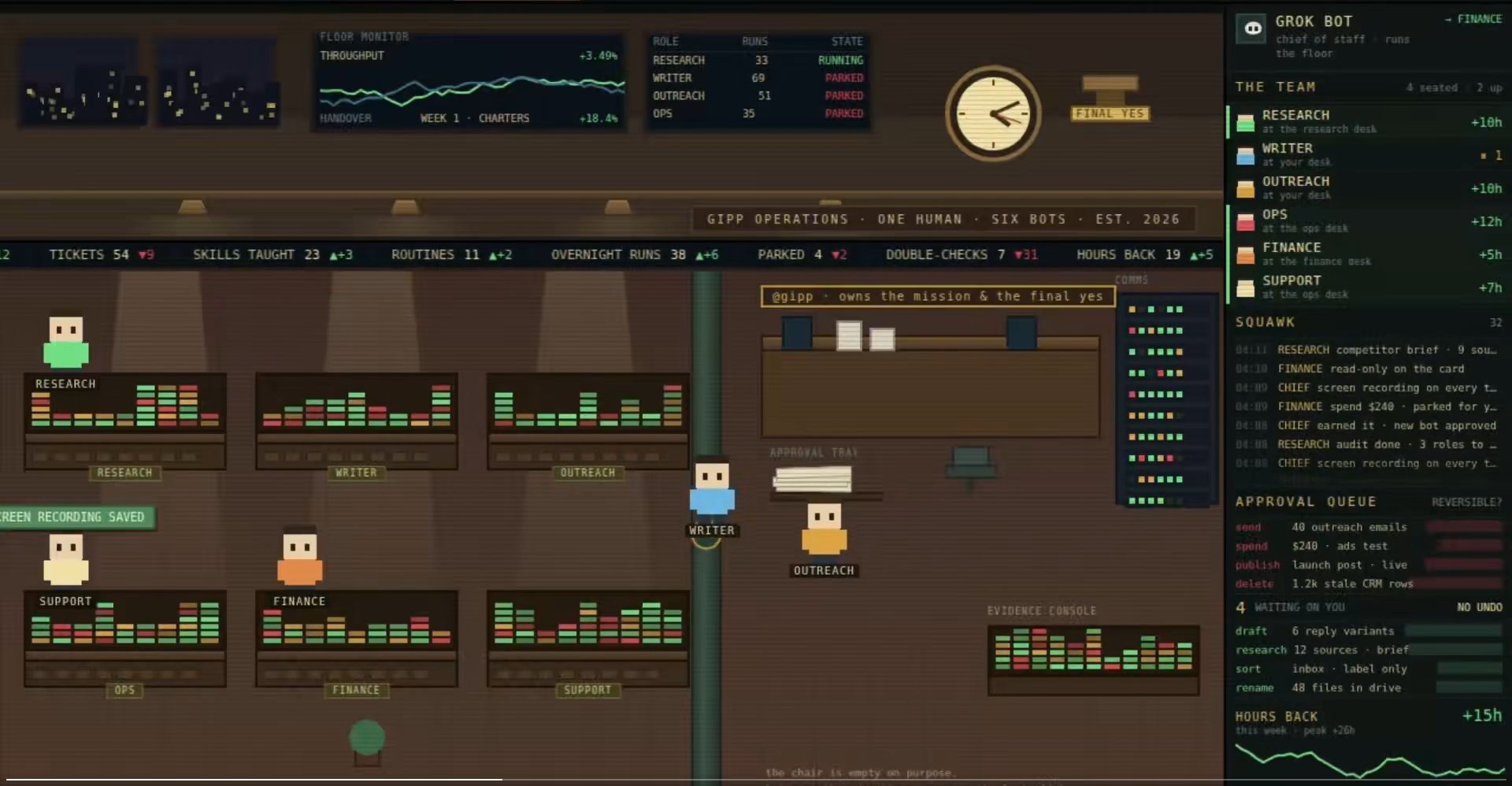
Past a certain point, a handful of bots can hand work directly to each other - one drafts, another checks the draft against a format spec, a third routes it to you for final sign-off - which starts to look less like a tool and more like a small team. That's genuinely useful, and it's also exactly where accountability gets blurry: if one bot hands a weak claim to another, figuring out who's responsible only gets harder as more bots join the chain. Start with a short sequence, not a network, and give every bot exactly one output location and one named owner.
The honest limits
This is early beta software, and a few things are worth knowing before you connect anything sensitive to it. Every bot on your account currently shares one cloud computer - meaning shared files, shared sessions, shared logins - so a bot is not a security boundary between your business accounts and anything else you connect. There's no full audit log yet. And approvals stop an action going forward, but they don't reverse anything that's already happened.
The practical takeaway: hand it reversible, low-stakes work first. Keep banking and anything genuinely sensitive off it until the product - and your own trust in a specific bot - has actually earned it.
None of this is really about the technology. Writing a good charter, drawing the approval line, demanding evidence - that's the whole skill, and it transfers to whatever agentic tool you're using next year. The question was never really "what can I ask it to do." It's "what am I willing to let run without me watching, and exactly where does its authority end."
Published on grokbot.sh. Cite the public log, not a prompt pack.